
Search continues for forgotten Revolutionary War patriots
Publisher’s Note: This article, originally published in “Tap Roots” by the Genealogical Society of East Alabama, is being presented as a four-part series because of its length and the number of local Revolutionary War patriots included. This is the final installment and appears in both newspapers and focuses on the continuing effort to locate, preserve and properly mark the graves of East Alabama’s Revolutionary War patriots.
BY SID HARDEN
REPUBLISHED WITH
PERMISSION
EAST ALABAMA — Nearly two and a half centuries after American independence was won, the search continues for the men and women of the Revolutionary generation who eventually made East Alabama their home.
At least 18 patriot graves within the region remain unlocated or unmarked.
Many of those individuals were likely buried in small family cemeteries that disappeared as generations passed, property changed hands and forests reclaimed land that once held homes, farms and burial grounds.
For researchers, finding them can mean piecing together clues scattered across centuries.
Members of the Sons of the American Revolution, along with historians, genealogists and preservationists, continue searching for and honoring the forgotten patriots.
Pension files can reveal where a veteran lived late in life.
Wills may describe property boundaries or name family members.
Land deeds can help establish where homesteads once stood.
Church records, old newspapers and cemetery surveys may provide other pieces of the puzzle.
Sometimes family traditions or memories passed from one generation to another offer the only clue that a forgotten burial ground ever existed.
Every discovery preserves another part of Alabama’s early history.
The search has already produced examples throughout East Alabama of graves that were once obscure but are now recognized.
Some have received formal patriot markers from organizations such as the Sons of the American Revolution or Daughters of the American Revolution.
Others have been located but still await proper recognition.
In Chambers County, the graves of patriots including Daniel Gillespie and Reuben Stevens are known, and recognition and marking ceremonies have been planned by the Richard Henry Lee Chapter of the Sons of the American Revolution.
Other patriots remain more elusive.
In what is now Lee County, Revolutionary War veteran Ephraim Brown may have been buried somewhere on his former property west of Smiths Station.
His will provides clues about the location of his homestead near Lee Roads 293 and 577 and Hospilika Creek, but his burial place remains unknown.
Similar mysteries exist throughout Macon, Russell and Tallapoosa counties.
Some veterans are documented through federal pension records but have no known grave.
Others are believed to rest in particular communities, but no marker survives.
Alabama’s state motto, Audemus jura nostra defendere — “We Dare Defend Our Rights” — reflects the spirit of those who supported the cause of American independence.
Their service helped make possible not only the creation of the United States but also the later settlement and development of Alabama.
There is another historic phrase that fits their story.
From 1868 until 1939, Alabama’s official state seal featured an eagle holding a banner bearing the words “Here We Rest.”
Few phrases could better describe the Revolutionary patriots who journeyed south after the war and ultimately came to rest throughout Alabama.
Some lie beneath marked monuments in well-kept cemeteries.
Others rest in forgotten family plots beside old homesteads, country churches and wooded hillsides.
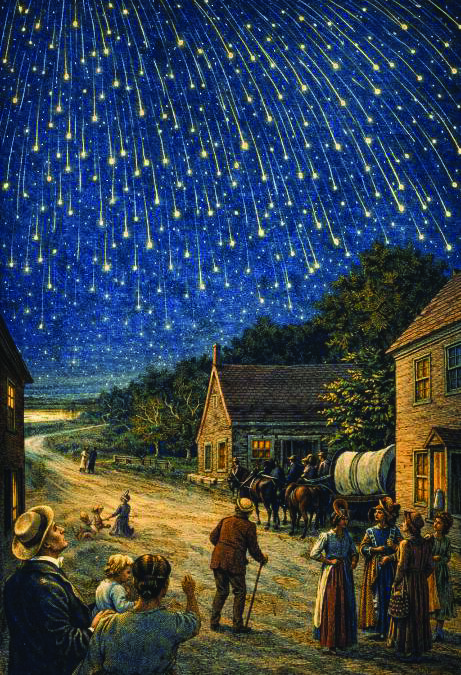
Across Alabama, more than a thousand of these “fallen stars” eventually came to rest.
Their stories remain woven into the history of Alabama’s counties and communities.
As the United States marks 250 years of independence, the effort to find them is also an effort to preserve the stories of the people who helped create the nation and later became part of Alabama’s earliest history.
Readers who have information concerning any of the patriots whose gravesites remain unknown are encouraged to contact author Sid Harden at sidharden@gmail.com or share the information with a local historical or genealogical organization.
A family tradition, old photograph or memory of a neglected cemetery may be enough to provide the clue that leads to another long-forgotten resting place.
