BY DANIEL SCHMIDT
THE OBSERVER
LEE COUNTY — Lee County is among the Alabama communities served by two federal suicide prevention grants announced by the U.S. Department of Veterans Affairs, bringing expanded support and community-based services to local veterans beginning this fall.
Southeastern Vet to Vet Peer Support Inc. received a $750,000 multi-state grant to serve veterans in Lee County and nine other counties across Alabama and Georgia.
The Council on Substance Abuse-NCADD was also awarded $507,500 to provide services across 20 Alabama counties, including Lee County.
Both awards come through the Staff Sgt. Parker Gordon Fox Suicide Prevention Grant Program, which directs funding to community organizations that work with veterans.
The money became available at the start of fiscal year 2027, which began on Oct. 1.
The grants are part of nearly $4 million the VA awarded to nine organizations providing suicide prevention services in Alabama, and $112 million awarded to 191 organizations nationwide.
The Southeastern Vet to Vet funding will serve Lee, Montgomery, Macon, Tuscaloosa, Randolph, Russell and Chambers counties in Alabama, and Muscogee, Heard and Harris counties in Georgia.
Southeastern Vet to Vet Peer Support Inc. provides peer education and training, along with professional individual, group and family counseling, to veterans and their families. The organization aims to improve health outcomes related to trauma while helping veterans with recovery, reintegration and building social connections.
Its Vet to Vet program uses recovering veterans as peer educators who help fellow veterans understand and navigate the Department of Veterans Affairs system. The recovery-based model involves veterans both as recipients and providers of mental health support, giving those with shared experiences a chance to learn from one another. The program grew out of the VA’s Action Agenda and recommendations from the President’s New Freedom Commission on Mental Health, which called for greater involvement of veterans and families in mental health care, the development of peer support programs and the recruitment of veterans as peer and mental health professionals.
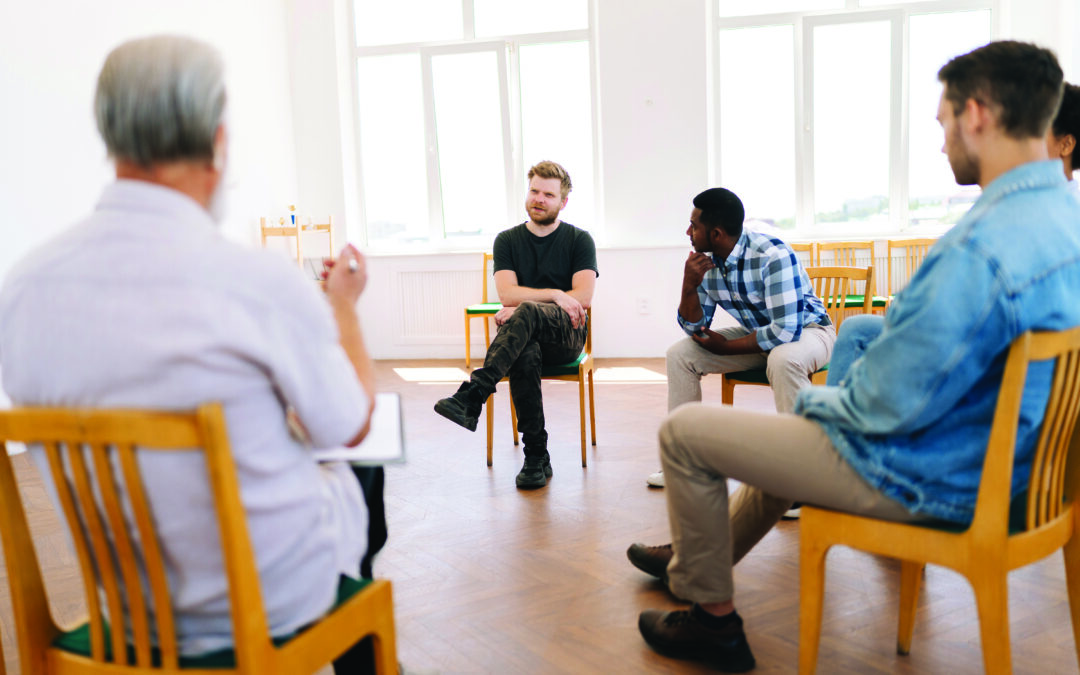
Trained veteran facilitators lead weekly or biweekly peer support group sessions, guiding discussions and introducing educational topics. While most participants are veterans receiving services through psychosocial rehabilitation programs, meetings are also open to observation by staff, visitors and facilitator trainees.
The Council on Substance Abuse-NCADD funding is shared among Lee, Autauga, Chambers, Perry, Pike, Bullock, Russell, Butler, Dallas, Elmore, Lowndes, Sumter, Macon, Tallapoosa, Choctaw, Marengo, Greene, Wilcox, Hale and Montgomery counties.
The Council on Substance Abuse-NCADD is a private nonprofit organization founded in 1973 to promote the understanding that alcoholism and other drug dependence are preventable and treatable diseases. Its Recovery Support Services Department serves people with a history of alcohol and substance use disorders who are in or seeking recovery, as well as their family members and significant others. Programs are currently available in Montgomery, Elmore, Autauga and Lowndes counties.
COSA offers support group meetings along with social and life skills development activities for those working to recover from alcohol and substance dependence. Staff and peer members aim to offer respect, understanding, encouragement and hope throughout all activities.
The organization views recovery as a process of change in which people improve their health and wellness, live self-directed lives and work toward their full potential. COSA focuses on four dimensions it believes support a life in recovery: health, which means managing one’s disease or symptoms and making informed choices that support physical and emotional well-being; home, a stable and safe place to live; purpose, including meaningful daily activities such as work, school, volunteering, caregiving or creative pursuits, along with the independence and resources to take part in society; and community, the relationships and social networks that provide support, friendship, love and hope.
The program is designed to reach veterans who are not connected to traditional VA healthcare. That group is where the risk is most concentrated.
According to the VA, 61% of veterans who died by suicide in 2023 — the most recent year with available data — had not received VA healthcare in the last year of their lives.
“Suicide prevention requires strong partnerships and a commitment to reaching Veterans where they live,” said Laundrena LaPradd-Bradley, interim executive director of the Central Alabama Veterans Health Care System. “This funding will strengthen community-based support across Alabama, expand access to critical resources and help connect more veterans with the care and services they need.”
VA figures show the program’s reach has grown in recent years.
Roughly 17,000 veterans, service members and family members received services through Fox grantees in 2025, a 31% increase from the year before. That year, grantees connected 344 at-risk veterans to emergency mental healthcare and linked 2,647 veterans who had never used VA health services to VA-provided care.
According to the most recently available U.S. Census Bureau data, there are an estimated 10,251 veterans living in Lee County. All VA healthcare facilities offer same-day emergency mental health care. Veterans in crisis, or those worried about one, can reach the Veterans Crisis Line by dialing 988 and pressing 1, texting 838255 or chatting online at VeteransCrisisLine.net.
For more information, contact Southeastern Vet to Vet Peer Support, Inc. at (334) 623-0081 and COSA at (334) 262-7477.
