
BY SAM VISE
THE OBSERVER
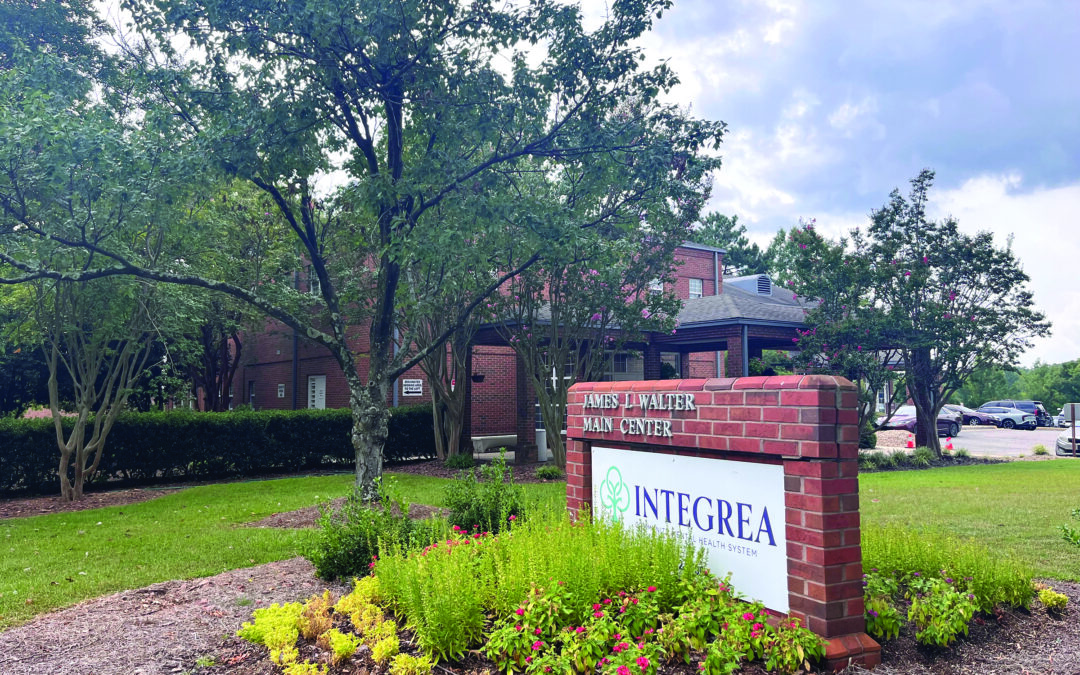
EAST ALABAMA — Integrea Mental Health, the regional community mental health provider headquartered in Opelika, has been awarded an $867,545 grant through the Alabama Rural Health Transformation Program.
The funding is part of a statewide rollout announced by Gov. Kay Ivey on Aug. 24, distributing more than $144 million across 138 grants to healthcare institutions in all 67 Alabama counties. The program, administered by the Alabama Department of Economic and Community Affairs, is federally backed by the Centers for Medicare & Medicaid Services through the One Big Beautiful Bill Act, which designated $203 million to Alabama for rural care expansion in its first year.
While the name Integrea Mental Health may be new to some local residents, the organization’s presence in East Alabama stretches back decades.
“We used to be East Alabama Mental Health Center,” said Jimmie Dickey, CEO of Integrea. “It was a name change only back in 2024. Same staff, same board, same structure. We just found that we needed to differentiate ourselves, so we went through a rebranding. But we’ve been around since 1960. We’re the same old folks.”
Integrea serves as the nonprofit community mental health safety net for Chambers, Russell, Lee and Tallapoosa counties.
The $867,545 grant will directly fund initiatives targeting rural populations in Chambers and Tallapoosa counties as Integrea transitions toward the Certified Community Behavioral Health Clinic model; however, Dickey emphasized that strengthening services in neighboring rural communities directly relieves pressure on central facilities in Opelika and Lee County.
“It’s kind of like what’s good for the goose is good for the gander for us because we are a full continuum,” Dickey said. “We do focus on specific needs in each county, but anytime I get new resources for a county like Chambers or Tallapoosa, it frees up other resources to improve services in Opelika or Phenix City.”
A cornerstone of the CCBHC model is proactive care coordination, moving beyond traditional fee-for-service visits to treat the whole person.
“What care coordination does is it creates a way for us to be significantly more proactive in supporting patients and managing their specific needs. For us, it all starts with mental health,” Dickey said. “But in so many people we serve, we see serious unaddressed primary care issues like high blood pressure, diabetes, serious deficits in daily living skills and what we call the social determinants of health, which are things like economic stability and quality educational access. Through care coordination, we can address and support those either with our own staff or through community partners.”
The funding will also bolster crisis response services and bridge technology gaps for rural residents who face significant transportation hurdles. Dickey said Integrea plans to roll out an interactive patient portal, integrate with Alabama’s One Health Record for cross-provider communication and expand telehealth capabilities.
Regionally, Integrea maintains a 24-hour crisis continuum, featuring mobile crisis teams, an acute inpatient crisis stabilization unit recently expanded from 12 to 16 beds and contracted dedicated access to seven beds at East Alabama Health’s new behavioral health facility.
Because Alabama is one of 10 states that has not expanded Medicaid, rural safety net providers carry a heavy financial load. Dickey said roughly 40% of the individuals walking through Integrea’s doors have no health insurance or financial resources, yet the clinic turns no one away.
“We don’t refuse service to anybody that needs us,” Dickey said. “We don’t turn somebody away because their issue is too complicated or they don’t have insurance. This model helps us bridge that gap, be better stewards of our resources and be more intentional with where we invest.”
To streamline access for individuals and families across the region, Integrea routes all requests through a central access and crisis center.
“We try to be very intentional about removing any kind of friction in accessing us,” Dickey said. “We have one single number we ask people to call. If they’re in crisis, if they’re curious about services or if they’ve finally decided they want to take the step and get treatment, we will get folks, assess what’s going on and link them up to whatever services they need.”
The Integrea access and crisis line is available at (334) 742-2877. Visit integreahealth.org/ for more information and a full list of Lee County locations for Integrea Mental Health services.
