
CONTRIBUTED BY THE OFFICE OF LEE COUNYT DISTRICT ATTORNEY
LEE COUNTY — Lee County leaders have announced a new collaborative initiative aimed at reducing drug offender recidivism, addressing case backlog and connecting individuals struggling with addiction to treatment programs earlier in the judicial process.
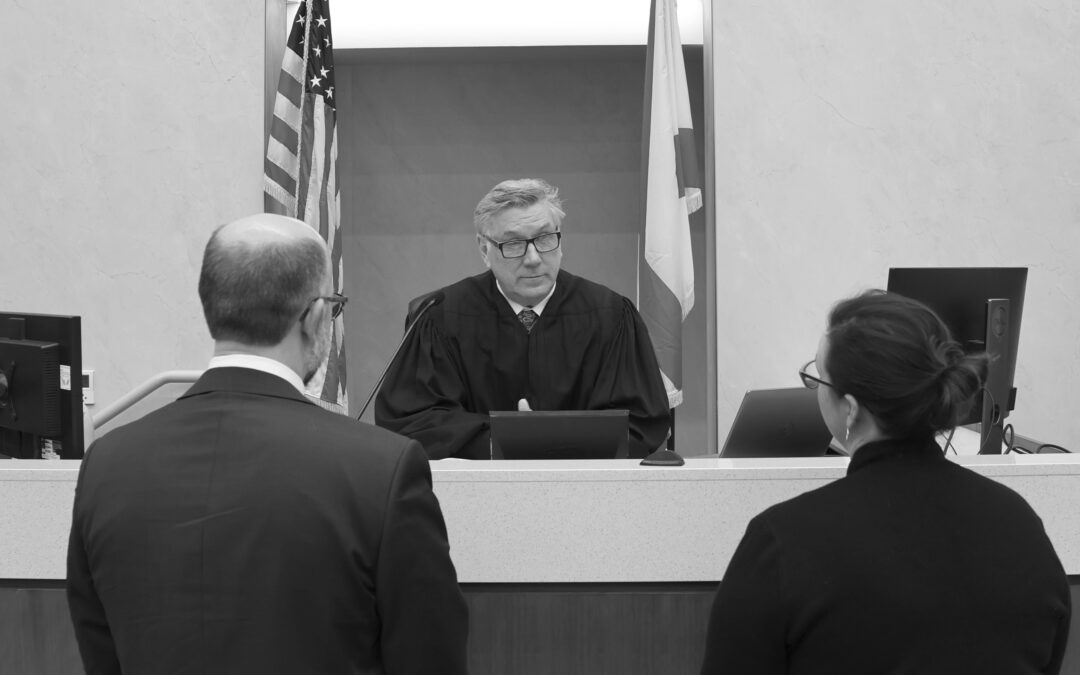
The initiative, presented by Circuit Judge Jeffrey Tickal, brings together Lee County’s existing Accountability Court programs in partnership with Lee County Sheriff Jay Jones, Lee County Circuit Clerk Mary Roberson, Lee County District Attorney Jessica Ventiere and the Lee County Court Referral Office.
At the center of the effort is the creation of a new quarterly felony drug docket for all individuals with felony drug offenses pending grand jury consideration. The goal is simple but impactful: introduce those battling addiction to rehabilitative services sooner — before delays and continued substance abuse lead to further criminal conduct.
Under this new docket system, individuals charged with felony drug offenses will appear before the court on a quarterly basis while their cases are pending. In addition, they will be subject to monthly random drug screenings until their case is resolved. The structured oversight and early intervention are designed to promote accountability and encourage participation in available treatment programs.
District Attorney Jessica Ventiere emphasized the importance of early resolution.
“Felony drug cases often linger in the system due to forensic testing delays and the necessary prioritization of violent crime,” she said. “While awaiting resolution, drug offenders frequently reoffend, compounding both their legal circumstances and their addiction challenges. By focusing on earlier court engagement and structured supervision, we hope to reduce backlog. At the same time, it opens the door to treatment resources that can reduce repeat criminal behavior. That combination helps us move cases more quickly and improve long-term outcomes.”
Sheriff Jay Jones highlighted the rehabilitative resources already in place within the Lee County Jail.
“Substance addiction is a common element involved in criminal activity,” he said. “This fact is confirmed every day as observed by our staff in jail operations. Twenty years ago, we established the S.T.O.P. program, a structured course presented in the Lee County Detention Center by professionally trained corrections staff to help inmates overcome addiction. Our in-house mental health professionals collaborate with Integrea Mental Health System to connect inmates with available resources upon release. We commend this effort by the court to bring these resources into the process earlier.”
More than 300 defendants appeared at the inaugural quarterly docket in March, underscoring both the scope of the issue and the need for a coordinated response.
Addressing the increased court activity, Mary Roberson, Lee County Circuit Clerk said, “this initiative will bring a high volume of cases before the court on a consistent basis, and the Circuit Clerk’s Office is prepared to meet that demand. By dedicating staff and prioritizing coordination, we are proud to support a process that keeps cases moving and strengthens the overall efficiency of the system.”
Lee County’s existing Accountability Court programs and treatment partnerships make this initiative possible. Together, these coordinated efforts aim to ensure felony drug cases receive consistent oversight, structured accountability and earlier access to treatment resources — reducing case backlog while promoting long-term public safety in Lee County.
