
BY LANDI RUTLEDGE
FOR THE OBSERVER
AUBURN — On Jan. 31 at 3 p.m., Chewacla State Park invited nature enthusiasts to Animal Signs, an interactive and hands-on program that introduced participants to animal signs such as deer antlers, animal tracks, animal scat replicas, snake shed, turtle shells and animal skulls.
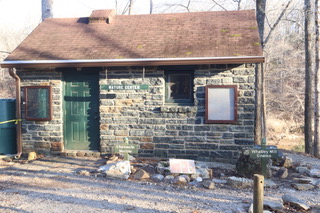
Open to all ages but limited to 30 participants, the event was held at the Nature Center in the Outdoor Classroom, located at 124 Shell Toomer Pkwy, Auburn, Ala., 36830.
Ticket prices were $5 for adults, $3 for children and seniors and free for overnight guests. Guests were encouraged to make their own animals tracks to take home with them.
Brenyn Kelly, Southeast District naturalizer, was the spokesperson of the event. Kelly shared that she enjoys being out in nature, working with children and animals. She said the job allows her to enjoy a nice blend of her interests and her favorite part of the job is working with field trips, outreach and programs like Animal Signs.
Kelly said possums are her favorite animal, and that they are misunderstood.
“I love all their fun facts, but I think people think differently about the possum,” she said. “Some people don’t think they’re cute and that’s why they might think negatively about them. But I think they’re great. I like doing programs like this where there’s a child [that might attend,] that’s really interested and maybe wants to pursue this in the future.”
Having a lot of unique animal signs that were there even before Kelly got there, she said it is a fun and inspiring event to hold during the winter when there are not a lot of activities in the park.
She said that she hopes participants notice more when outdoors and remember things discussed at the program and apply it to their own backyard or community.
Kelly said it was important that this event was hands-on, specifically for the kids.
“I think that children learn best whenever they have their hands on something, especially with something animal-related, children love to interact with stuff like that,” Kelly said. “[They get to] to feel the differences between tracks, some kids are more sensory and they don’t want to just sit and listen. So, I think especially today, that was the better option.”
Events like these, she said, help people better understand wildlife in Alabama.
“I think a lot of people have questions when they come in because they’ll see a track in their backyard or outside of their work and they don’t know how to identify it or what it is,” she said. “So, I think getting to see the differences and how each track or scat looks can really stick with them.”
With plans to expand or repeat this event in the summer, Kelly said she looks forward to more activities outdoors and highlighting more of the animals.
Launching the Junior Ranger Program in the spring — a more hand-on event like this one — is promising.
An event called Eye Spider is planned for March and it includes taking flashlights outside and searching for various spiders in the area and taking blue lights to search for scorpions and millipedes. Kelly said while participants will not touch them, they will get to learn the differences between them.
Leigh Anne Fagin, Charlie Thomas and their daughter Olivia Thomas were participants at the event.
Leigh Anne said learning the distinction between a fox track and a racoon track was her favorite part about the event.
Charlie said one of his favorite nature experiences was at Mikumi National Park in Tanzania, where he was once in a tree above a honey badger. His favorite fact that he learned was that this is the time of year when deer shed their antlers due to hormone changes.
While Olivia’s favorite animal is a bunny, her favorite to learn about at the event was the fox. Quite passionate about nature and wildlife herself, she enjoyed getting a chance to share her facts. Learning that giraffes chew bones to get calcium was her favorite fact that she learned.
Fagin and Thomas said that they enjoyed being able to watch their daughter share facts, make deer and bear tracks and interact with an ecologist who helped her learn more about things she was already interested in.
Olivia shared that she believes it’s important for kids like her to understand wildlife and conservation at a young age.
“It’s important so we learn how to protect it,” she said.
