
BY KADIE TAYLOR
THE OBSERVER
LEE COUNTY — As flu season continues to impact locals, medical professionals across Auburn and Opelika are working to educate community members on how to remain vigilant about health and stopping the spread of illness.
“The flu is a respiratory infection caused by viruses from the influenza family,” Physician and Assistant Clinical Director of Auburn University Medical Clinic, Dr. Shannon Cason, said. “In our part of the world, the flu can occur at any time of the year, but the main season is typically from mid-December until late January or perhaps early February. During this season, flu is typically spread rapidly throughout the community. It affects all age groups, and is most dangerous for very young and elderly patients.”
As many in the community may be exposed to the flu, Cason said to be mindful of possible symptoms and visit the doctor if flu symptoms are identified.
“Flu is typically characterized by rapid onset of symptoms, including fever, significant body aches, fatigue and severe cough,” he said. “Headaches and sore throat are also common. Despite popular belief, stomach symptoms such as vomiting are not typical of the flu… For most people, the flu lasts five to seven days with or without treatment. Medications such as Tamiflu or Xofluza can make symptoms less intense, and can help symptoms resolve a couple of days quicker. Medications for the control of cough and body aches are also often prescribed. It is important to get plenty of rest and to hydrate well… If a person believes he or she has the flu, it is best to contact their health care provider quickly. The quicker appropriate treatment is started, the more likely there will be a good outcome.”
With schools being a place where illness, like the flu, is spread frequently, Opelika City Schools Director of Health Services and Lead Nurse Lajoye Evans, RN, said parents should not send their children to school while sick.
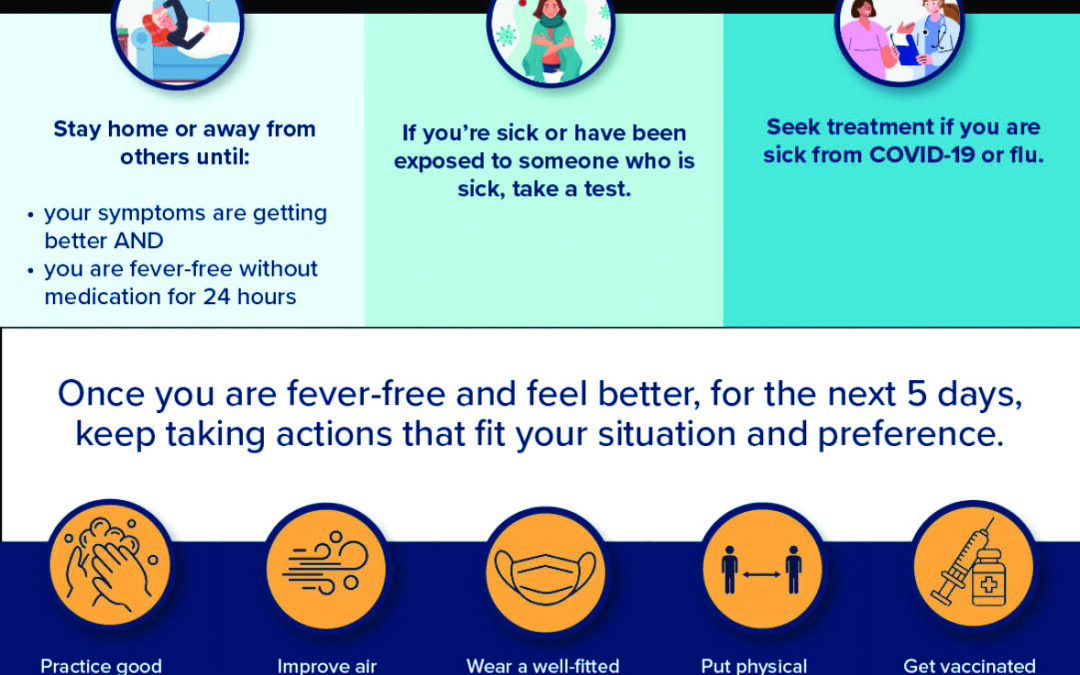
“Parents should monitor their children for symptoms that may indicate influenza or COVID-19, including: fever, chills, cough, sore throat, fatigue, body aches and headaches,” she said. “If a child develops these symptoms, parents should keep them from school, monitor their condition and contact their child’s healthcare provider for guidance and testing. Children should only return to school once symptoms have improved and they are fever-free for 24 hours without the help of fever-reducing medications.”
Auburn City Schools Nursing Administrator Stacy Knowlton, RN, said allowing children to rest at home while sick can help provide important recovery time as well as reduce the spread of germs in shared spaces.
“Keeping your child at home when they are sick helps protect other students and staff from getting ill,” she said. “Children spread germs easily through coughing, sneezing and touching shared items — especially in close classroom settings. Staying home gives your child time to rest and recover fully, and it helps keep our school community healthy… Parents can help a sick child feel better by giving plenty of fluids, encouraging rest and using over-the-counter or prescription medications as directed by their child’s physician.”
With much competing information online on how to remain healthy while illness is spreading, Cason said he recommends getting the flu vaccine and making healthy decisions year-round to help increase overall health and immunity.
“The single most important strategy in preventing flu is getting the flu vaccine annually,” he said. “Vaccination for flu is a very effective means of decreasing the amount of flu in the community. In the midst of flu season, it is also wise to avoid getting close to people who appear sick and to wash hands frequently… People often ask about things that can ‘boost’ their immune system. While there are many claims regarding various supplements and vitamins, there is actually no good evidence that any known supplement or vitamin really boosts the immune system. The best way to maintain a healthy immune system is to maintain good general health with proper diet, rest and exercise.”
Both Evans and Knowlton also advised parents and guardians to work to help their children increase well-being through healthy habits — to help create healthier schools.
“Parents can support their child’s immune health by encouraging healthy daily habits that include: adequate sleep, balanced meals, regular physical activity, good hand hygiene, keeping vaccinations up to date and supporting their mental health,” Evans said.
“Families can boost immunity each day by [ensuring everyone eats] a well‑balanced diet rich in fruits and vegetables, stays hydrated, gets regular exercise and by encouraging consistent, restful sleep,” Knowlton said. “Managing stress, spending time outdoors and practicing good hand hygiene also supports a strong, healthy immune system.”
