
BY KADIE TAYLOR
THE OBSERVER
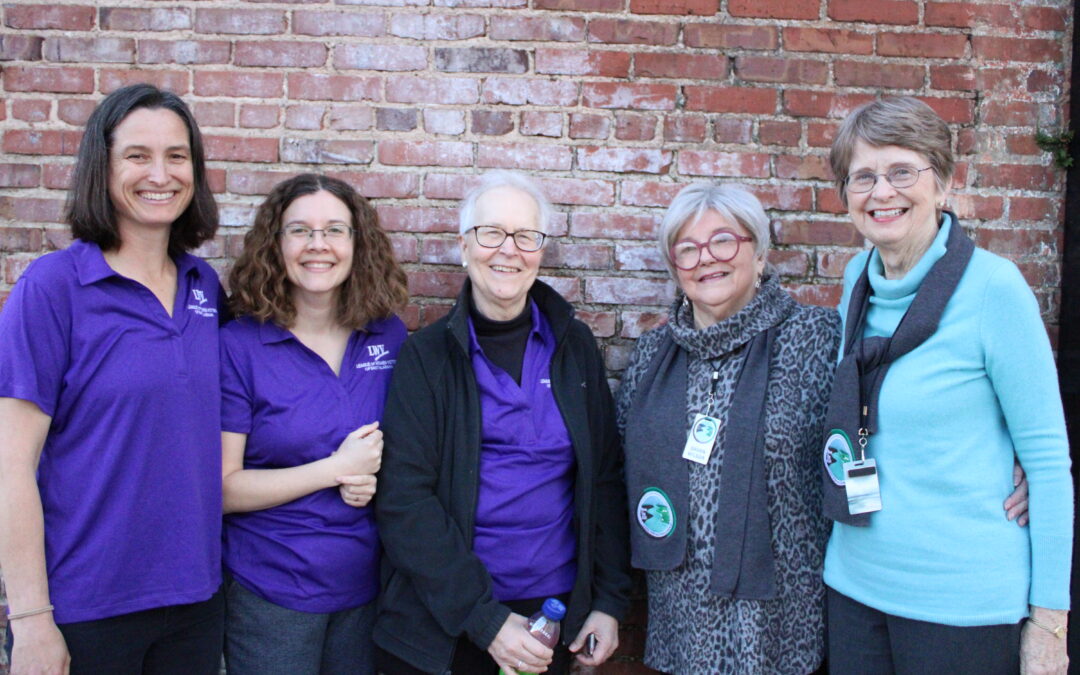
LEE COUNTY — The East Alabama League of Women Voters invited the Coal Ash Action Group to BOXCAR on March 16 to watch a screening of “Sallie’s Ashes” and answer questions from viewers.
Sallie’s Ashes is a documentary short that shows the dedication of Sallie Smith, who grew up in the Mobile Bay, to protect the waters from polluting coal ash that has been discarded by Alabama Power at the Barry Ash Pond. While Sallie battles cancer, which will ultimately lead to her passing, she invites two of her friends, Diane Thomas and Savan Wilson, to join her in working to make a difference in the long-term health of the Mobile Bay. The two surviving ladies — known as the coal ash grannies — are still working to educate and raise awareness for the possible detrimental environmental impacts that would occur if the coal ash ends up in the Mobile River, which would ultimately spread to connecting bodies of water.
“One of the things the League of Women Voters of Alabama has been focusing on the past few years is an environmental series about issues that impact the state, and this was one,” said Director on the Board of the League of Women Voters of East Alabama Cory Unruh. “This movie, ‘Sallie’s Ashes,’ is about a group of women down in the Mobile Bay who are just like any other group of women — a retired group of women — who didn’t like to see what was happening, and they decided to make a change. I haven’t seen the movie, so I’m really excited to see their story, see it play out and hear from the women featured in the movie and the organizers. We wanted to bring it to Auburn, because we know there are a lot of people in this area who care deeply about the Mobile Bay as well as the environment in Alabama and protecting it.”
“The League of Women Voters of East Alabama is excited for the opportunity to screen ‘Sallie’s Ashes’ and to have Diane Thomas and Savan Wilson here in person with us to discuss their work to protect the Mobile River and Bay from coal ash,” said the President of the League of Women Voters of East Alabama Kim White.
One of the primary concerns for coal ash presented in the movie is the small border of dirt that separates the coal ash from the water surrounding it. The Alabama Power coal ash lagoon contains 21 million tons of dangerous coal ash, which is polluting groundwater with arsenic, cobalt and other elements. Along with concerns over ground pollution, the movie explained that the pond sits on the bank of the Mobile River and covers an area equal to 451 football fields. A single dirt dike is the only thing holding the toxic coal ash from entering the delta, flowing down the Mobile River and reaching the Mobile Bay.
“Coal ash grannies” Thomas and Wilson attended the showing and shared more about the hazardous impact that pollution from coal ash could have — which would impact not only the Mobile Bay, but all of Alabama.
“[Some may think], ‘Why should anybody in this area care about what’s going on in South Alabama with the Barry Ash Pond?’” Thomas said. “The first thing is, the Port of Mobile — products that are manufactured here get exported through the Port of Mobile, a lot of important component parts get imported through the Port of Mobile — and if there were a catastrophic breach of the dirt dike, 21 million tons would come out. The port would be affected. We can’t tell you how long or the extent to which it would shut the port down, but any disruption in the port would affect the supply chain all across the state of Alabama. That’s one good reason. The second, really good reason, is that it would hit people in their pocketbooks — when the BP oil spill occurred, our state funds took a real hit. Our general education and the general fund depend upon sales tax, property tax, income tax and lodging tax — 40% of your tourism dollars are spent on the coast. So, even though the BP oil spill affected Orange Beach and Gulf Shores, the state budgets took a hit, and that was part of the reason that we got the payout from the BP oil spill — it was not for environmental damage but was for economic damage.
“Have you ever been to the white beaches? Forget about it if you have a catastrophic spill — if you ever had seafood from down there, any shrimp — forget about it. All of that is the nursery — the Delta. A catastrophic failure would ruin the Delta forever… A catastrophic failure would inundate 30 square miles of the Delta — that’s according to the Alabama Power emergency action plan — and then it would flow down the rivers, and, within a week, it would reach Mobile Bay — where it would pollute for decades — and then probably go all the way to the entrance to the Gulf. So, you should care about it for state funds, for imports and for vacations. The other thing that it would do is, even though it’s in South Alabama, we would be known as the most industrially polluted site in the nation. That designation would last for years, if not forever — so all of Alabama is going to get a really black eye. I think it could affect the recruitment of industry to Alabama, not just to the southern part, but to all of Alabama.”
The movie explained that there are three main ways to responsibly dispose of coal ash, but Alabama Power plans to close the pond by recycling some of the ash and consolidating and capping the remaining ash in the existing unlined pond. Capping the ash is considered “ok” if it has a lining under it, but Alabama Power’s plan leaves the toxic coal ash sitting in groundwater on the bank of the Mobile River where it will continue to pollute indefinitely. Wilson said the goal of the Coal Ash Action Group is to ensure Alabama Power disposes of the coal ash in a responsible way to ensure the health of the Mobile Bay and Alabama as a whole.
“We can’t make Alabama Power do anything,” she said. “We have at least 200 letters a week from these events, going to the head of Alabama Power from people saying, ‘move the ash.’ Plus we have more people learning about it, because it’s not a political thing, but it’s something that nobody says anything about — every elected official gets money from Alabama Power. Alabama Power does a lot of good for our whole state, but they also make a billion dollars a year. So when you see things about Alabama Power, pay attention, because some of it’s good PR coming out, and some of it’s in response to this film.”
To learn more about the Coal Ash Action Group and to become a part of the “move the ash” action, visit www.movetheash.com. To learn more about “Sallie’s Ashes,” visit www.movetheash.com/about-sallies-ashes.
